
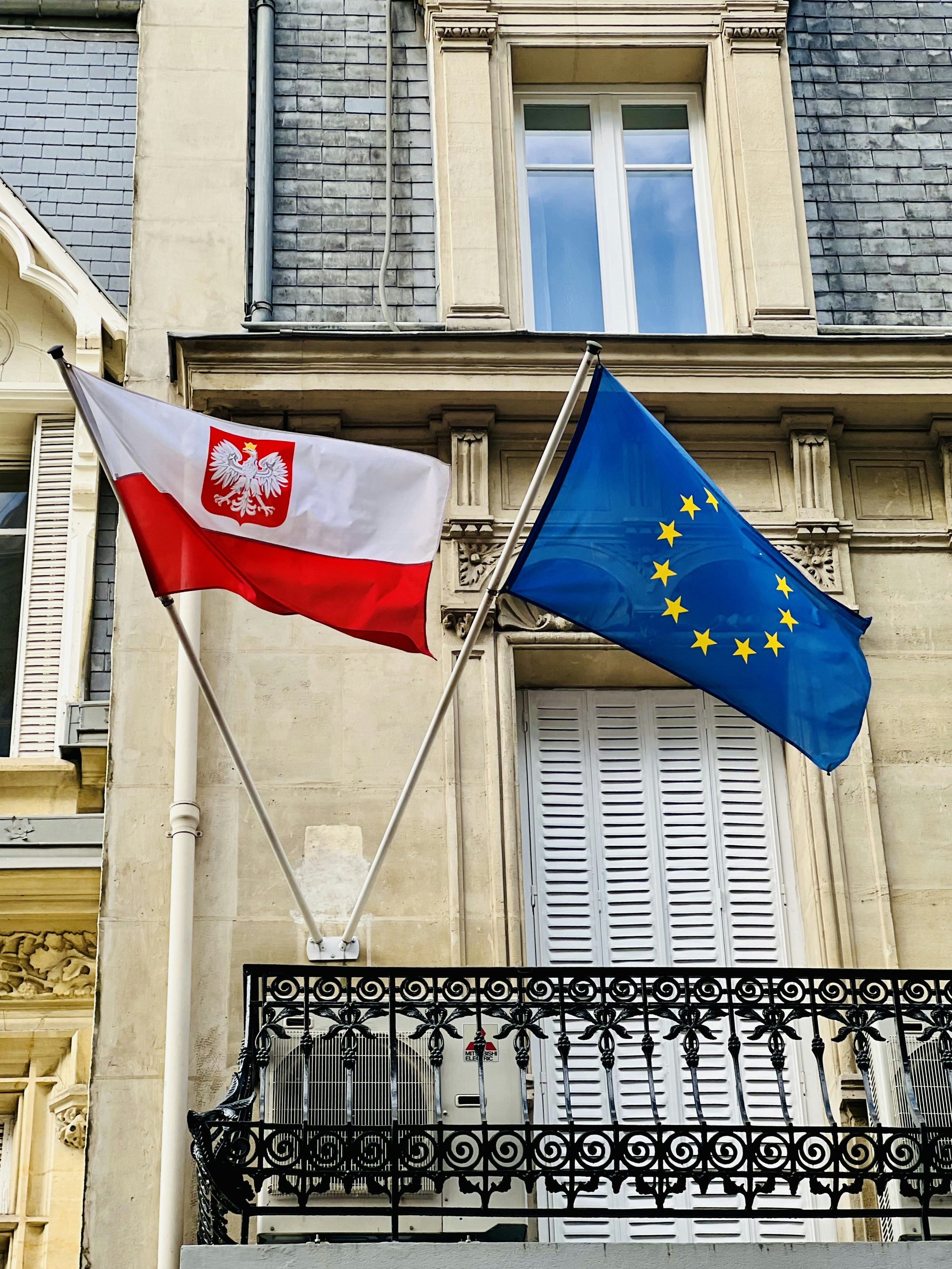

Overview of Language Proficiency for Foreign Workers in Poland
Language proficiency plays a critical role in the integration of foreign workers into the Polish labor market. As Poland attracts a diverse range of international professionals, the ability to communicate effectively in English is often a key component of the hiring process. Employers frequently seek individuals who not only possess the requisite technical skills but also demonstrate a strong command of English, particularly for roles in multinational companies or sectors that engage with global clients.
The International English Language Testing System (IELTS) serves as a standardized assessment tool that evaluates a candidate’s English language capabilities. For many foreign nationals considering a move to Poland for work, the question arises: is IELTS required for a Poland work visa? While not a mandatory criterion for all visa applications, achieving a certain score on the IELTS can enhance a candidate’s profile, especially when seeking jobs that emphasize the importance of language proficiency.
Moreover, proficiency in English is often a prerequisite in various fields such as IT, engineering, finance, and academia, where effective communication is paramount. By providing a verified measure of one’s English skills, the IELTS can serve as a strong indicator of a candidate’s suitability for positions that require regular interaction with both colleagues and clients in an English-speaking environment.
In positioning oneself as a competitive applicant in the Polish job market, understanding the relevance of language proficiency and the role of the IELTS in this context will prove invaluable. It sets the foundation for further discussions on visa requirements, employment opportunities, and the overall experience of working in Poland as a foreign national.
Understanding the Poland Work Visa
Poland offers a range of work visas tailored to various groups of foreign workers. These visas enable individuals to gain employment in different sectors while adhering to the country’s immigration policies. The primary types of work visas in Poland include the Type A work permit for employees, Type B for managers, Type C for intra-company transfers, and Type D for seasonal work. Applicants must carefully assess which visa aligns with their employment situation.
To obtain a Poland work visa, applicants must meet certain general criteria. Firstly, a valid job offer from a Polish employer is necessary, which should comply with local labor laws. This offer must be accompanied by a positive labor market test, ensuring that no qualified Polish or EU nationals can fill the position. Furthermore, documentation such as a completed visa application form, a valid passport, and passport-sized photographs must be submitted.
Moreover, foreign workers may need to provide proof of accommodation, health insurance, and financial means to support themselves during their stay. Depending on the type of work visa, individuals could also be required to present educational qualifications and relevant work experience documentation. The thoroughness of these requirements aims to ensure that applicants are eligible and capable of contributing positively to the Polish workforce.
Additionally, the process for obtaining a work visa involves an application submitted to the appropriate Polish consulate or embassy in the applicant’s home country. Processing times may vary, so prospective applicants are advised to apply well in advance of their intended start date. Familiarizing oneself with the nuances of the Poland work visa application process is crucial to maximizing the chances of a successful application.
The Importance of Language Proficiency in the Polish Work Environment
Language proficiency plays a pivotal role in the Polish work environment, influencing both communication and professional success. Proficiency in Polish or English is essential due to the diverse nature of industries within Poland. For many companies, particularly those with international operations, English serves as a primary language for business transactions, team collaboration, and negotiation. Conversely, in sectors focused on local clientele or smaller businesses, Polish remains the dominant language. This necessitates that job seekers possess adequate language skills to fit into various roles effectively.
In a country where market dynamics are culturally influenced, effective communication transcends mere conversation; it fosters strong relationships among colleagues, clients, and stakeholders. Without the ability to communicate fluently, professionals may face significant barriers in their ability to perform tasks, participate effectively in teamwork, or contribute to meetings. Moreover, those lacking language skills may find themselves excluded from critical discussions or decision-making processes, hindering career advancement opportunities.
Furthermore, many companies actively seek employees who can communicate confidently in both Polish and English. Language abilities can differentiate candidates in a competitive job market, providing an edge when vying for positions. Higher language proficiency levels may even correlate with better job prospects, as employers often prioritize candidates with the skills necessary to navigate a multilingual environment.
Training and resources are usually available for those wishing to improve their language skills. Many organizations offer language courses or reasonable accommodations for new employees looking to enhance their communication abilities. Therefore, understanding the significance of language proficiency is crucial for anyone looking to work in Poland, as it not only affects immediate job opportunities but also long-term career growth.
Is IELTS Mandatory for Work Visa Applicants?
When considering a work visa for Poland, many applicants ponder whether an IELTS score is a mandatory requirement. The International English Language Testing System (IELTS) is a prominent language proficiency test that measures English skills across reading, writing, listening, and speaking. However, the necessity of this test can vary based on numerous factors, including the type of visa and the profession involved.
For certain professions, particularly those in fields that require high-level communication and technical skills, an IELTS score may indeed be a requisite. Occupations such as healthcare, education, and specialized engineering often necessitate proven English language abilities, and thus, applicants may need to submit valid IELTS results as part of their visa application process. Additionally, professions that involve public communication or require interaction with English-speaking clients or colleagues generally place a strong emphasis on language proficiency.
Conversely, not all work visa categories impose the same conditions. Certain administrative or technical roles may not require an IELTS score, particularly if the working environment predominantly uses other languages or if the applicant’s work permits demonstrate adequate communication abilities in context. Moreover, some employers may conduct their assessments and provide alternative evidence of an applicant’s language competency, making IELTS optional rather than obligatory.
Furthermore, Poland’s visa regulations can evolve; thus, it is prudent for applicants to research their specific visa type and consult official sources or immigration experts. This ensures that they are well-informed about language requirements and other relevant documentation needed for their visa applications.
Alternatives to IELTS for Demonstrating Language Proficiency
When it comes to applying for a Poland work visa, demonstrating language proficiency is crucial. While the International English Language Testing System (IELTS) is a widely recognized test, there are several alternative methods through which candidates can prove their English language skills. Polish immigration authorities accept a variety of other English language tests and qualifications, allowing for a broader range of candidates to meet the visa requirements.
One of the most accepted alternatives to the IELTS is the Test of English as a Foreign Language (TOEFL). It evaluates the ability to understand and use English at the university level and is well-recognized across many countries, including Poland. Besides TOEFL, tests such as Pearson Test of English (PTE) and Cambridge English exams (like the First Certificate in English or the Certificate in Advanced English) are also valid for demonstrating proficient command of the English language.
In addition to these standardized tests, Polish immigration authorities may consider academic qualifications as evidence of English proficiency. A degree or higher education qualification that was conducted entirely in English is often accepted as proof of language skills. For individuals who have studied in English-speaking countries, such educational backgrounds can significantly bolster their visa applications.
Furthermore, candidates may also provide supporting documentation such as letters from employers attesting to their English language abilities in professional settings. Demonstrating fluency in the workplace and communicating effectively with English-speaking clients or colleagues can serve as valuable indicators of a candidate’s language proficiency.
In conclusion, while IELTS is a popular option for demonstrating English language proficiency, there are several alternatives available. Candidates can utilize other English language tests, provide evidence through educational qualifications, or present employer testimonials as indicators of their proficiency. This variety allows individuals to successfully navigate the visa application process while still meeting the language requirements set by Polish immigration authorities.
Exceptions and Special Cases
While the International English Language Testing System (IELTS) is a common requirement for non-native speakers seeking a Poland work visa, there are notable exceptions that cater to specific scenarios. Primarily, applicants from countries where English is an official language are generally exempt from proving their language proficiency through formal tests. Countries such as the United States, the United Kingdom, Canada, Australia, and New Zealand fall into this category. Nationals from these countries may proceed with their visa applications without the need for IELTS, simplifying their application process.
Moreover, certain job roles may not mandate language proficiency as a prerequisite. For instance, positions within multinational companies often accommodating English as the primary working language may relax the language requirements. Employers in industries such as information technology, engineering, and scientific research sometimes have internal assessments that serve as substitutes for formal language tests, reflecting the operational realities of the workplace.
Additionally, applicants who have completed their education in English medium institutions may also be eligible for exemptions. If proof of such educational qualifications is provided, applicants might be able to bypass the IELTS requirement. This approach offers a pathway for skilled professionals who may not have standardized test results but possess a solid educational background in English.
Furthermore, some niche industries or roles may feature distinct regulations regarding language requirements. For example, sectors such as hospitality or tourism that interact with international clientele may prioritize skills over language proficiency, especially when employees need to communicate in English only occasionally. It is advisable for potential applicants to consult specific guidelines relevant to their industry or role to ensure they understand the language requirements.
Preparing for Work in Poland Without IELTS
For individuals aspiring to work in Poland without an IELTS score, there are several strategies and resources available to enhance language proficiency and increase employability. Firstly, focusing on language improvement is crucial. Engaging in immersive experiences, such as attending language workshops or utilizing language learning apps, can significantly boost one’s English language skills. Daily practice through conversation exchange or online forums can also aid in developing fluency and comprehension.
In addition to self-study, non-IELTS alternatives are essential. Many language centers offer courses specifically tailored to professional English, which include vocabulary and dialogues that are relevant to various industries. Exploring free resources like educational websites, podcasts, and video lectures can further supplement one’s knowledge. Understanding the specific vocabulary used in your profession will provide a competitive advantage in the Polish job market.
Job hunting without an IELTS score may initially appear challenging; however, there are numerous avenues to pursue. Networking is key. Attending job fairs or professional events can create opportunities to meet potential employers who may prioritize experience and skills over language test scores. Additionally, leveraging platforms such as LinkedIn can help professionals connect with industry insiders in Poland.
Furthermore, when applying for jobs, it is beneficial to showcase your language skills in the resume or cover letter. Highlighting any relevant language experience, or displaying a willingness to improve could convince employers of your commitment. If possible, consider obtaining a language proficiency certificate from a recognized institution, as this can serve as an official testament to your skills. By combining these strategies, candidates can effectively prepare for work in Poland without an IELTS requirement.
Navigating the Application Process
Applying for a work visa in Poland requires adherence to a systematic process that includes several critical steps. Initially, individuals must determine the specific type of work visa they need, as Poland offers various categories tailored to different professional situations. This decision is essential as it sets the foundation for the subsequent steps in the application process.
The next phase involves gathering requisite documents, which typically includes a valid passport, proof of employment, and educational qualifications. Additionally, applicants may need to secure a job offer from a Polish employer, as this is often a prerequisite for applying for a work visa. Importantly, applicants must also consider the language requirements associated with the application process.
In many instances, demonstrating proficiency in the Polish language can enhance an applicant’s chances of securing a work visa. However, the need for language proficiency may vary depending on the job and the employer’s requirements. Some positions, especially those in multinational companies, may not necessitate extensive Polish language skills. Therefore, assessing the job specifics before applying is advisable.
Once the documents have been assembled, individuals should complete the visa application form accurately, ensuring that all information provided is truthful and aligns with the supporting documents. After filling out the application, applicants must schedule an appointment at the nearest Polish consulate or embassy to submit their application and supporting materials.
Following submission, it is essential to pay any required fees and await processing. This period can vary, so planning ahead is crucial to avoid delays in starting work. Ultimately, ensuring that all documents are complete and that any necessary language skills are demonstrated will facilitate the application process, leading to a successful acquisition of a Polish work visa.
Conclusion and Future Considerations
Language proficiency is a crucial aspect of integrating into the Polish workforce, particularly for international applicants seeking a work visa. While the IELTS is not an absolute requirement for obtaining a Poland work visa, demonstrating English language skills can significantly enhance an applicant’s prospects. Employers in Poland often prioritize candidates who possess the ability to communicate effectively in English, alongside the local language, Polish. This dual-language capability not only facilitates smoother workplace interactions but also fosters a more inclusive environment, which is essential for personal and professional growth in a foreign country.
Looking ahead, the landscape of language requirements for work visas in Poland may continue to evolve. As Poland positions itself as an attractive destination for foreign talent, it is likely that the government will reassess the necessity of standardized language tests such as IELTS. Future policy changes may reflect a more nuanced understanding of language proficiency, potentially allowing for alternative assessments that gauge practical communication skills more accurately.
Moreover, as the global workforce becomes increasingly interconnected, language skills may shift from being a rigid requirement to a preferred asset. Employers might begin to focus on candidates’ overall competencies and experience rather than solely on formal qualifications, including language certifications. This trend could open doors for a broader pool of applicants, particularly those who demonstrate relevant skills and cultural adaptability.
In conclusion, while the IELTS may not be a strict requirement for obtaining a work visa in Poland, the significance of language skills cannot be understated. Future applicants should remain vigilant regarding potential policy changes and continuously seek ways to enhance their language proficiency to improve their competitiveness in the Polish job market.