
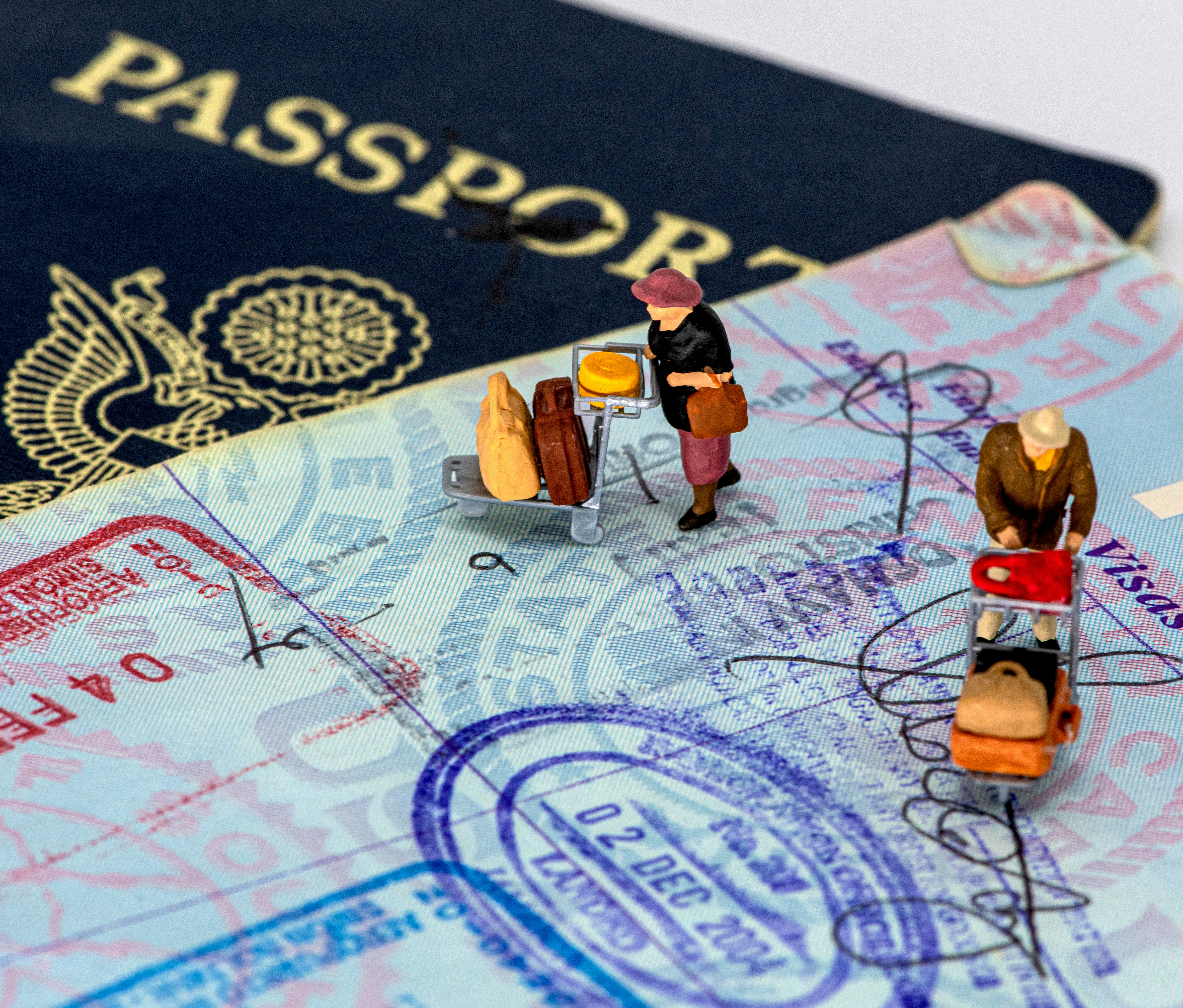

Understanding Visa Rejection
Visa rejection is a common circumstance encountered by many applicants, and it can arise from various factors. A primary reason for rejection is the submission of incomplete applications. Visa applications often require a significant amount of paperwork, including forms, financial documents, and identification materials. Failing to provide all necessary documents or submitting them inaccurately can lead to an automatic denial, emphasizing the importance of thoroughness in the application process.
Another frequent cause of rejection is the lack of sufficient funds. Visa officers assess the financial capabilities of applicants to ensure they can support themselves during their stay and cover any additional expenses. If an applicant fails to demonstrate adequate financial resources, their application is likely to be rejected. It is advisable for future applicants to provide clear evidence of their financial standing, such as bank statements or sponsorship letters, to avoid this issue.
Insufficient ties to the home country can also result in visa denial. Immigration officials look for indicators that applicants possess strong reasons to return home after their visit. This could include family connections, employment, or property ownership. Without compelling ties, applicants may be perceived as potential overstayers, decreasing their chances of obtaining a visa.
Moreover, discrepancies or contradictions in the information provided can lead to rejection. Consistency is crucial in presenting personal details throughout the application; any inconsistencies could raise suspicion and harm the applicant’s credibility. As visa processes demand accuracy, understanding these common issues is essential for those considering reapplication.
Experiencing a visa rejection can be disheartening, leading to emotional distress for many applicants. This emotional burden, coupled with the practical implications of being unable to travel, underscores the necessity of resolving the reasons for denial. Familiarity with the reasons behind visa rejection is crucial for any applicant who aspires to apply again.
Analyzing Your Visa Rejection Letter
Receiving a visa rejection can be disheartening, yet it is crucial to approach the situation as an opportunity for improvement. The first step in this process is to carefully review the rejection letter provided by the visa officer. This document will outline the specific reasons for the denial, which are essential for understanding how to strengthen your subsequent application.
Begin by identifying the main reasons cited for the rejection. Common factors include insufficient financial resources, inadequate documentation, or failure to demonstrate ties to your home country. By pinpointing these issues, you can focus on rectifying them in your next application. For instance, if the letter indicates a lack of financial stability, consider providing more robust evidence of your finances, such as updated bank statements or an employment letter that outlines your salary.
Additionally, it is important to analyze whether the rejection was due to procedural errors or misunderstandings. Sometimes, missing documents or incorrect information can lead to an unfavorable outcome. Take note of any specific documents mentioned in the letter that you failed to include or that may have been improperly completed. Double-checking your application against these notes can substantially improve your chances of success in the future.
Moreover, evaluating the tone and context of the rejection may offer valuable insights. If the officer expressed concerns about your intent or eligibility, addressing these elements head-on in your next application will be crucial. Consider providing additional contextual information or letters of reference that clarify your purpose for traveling.
In conclusion, a thorough analysis of your visa rejection letter is vital for enhancing your future applications. By understanding the reasons cited and addressing them methodically, you can significantly increase your likelihood of obtaining the visa you seek.
Applying for a visa can be a complex and challenging process, and experiencing a rejection can be disheartening. However, seeking the expertise of immigration professionals can significantly enhance your chances of success in subsequent applications. Immigration lawyers and consultants specialize in navigating the complexities of visa regulations and can provide tailored guidance based on your specific situation.
Consulting with a qualified immigration expert can offer personalized advice that takes into account the unique circumstances surrounding your visa denial. They can review your initial application in detail, identify the reasons for the rejection, and propose strategies to effectively address those issues. This personalized approach is crucial, as each visa application is distinct and relies heavily on individual circumstances.
Furthermore, knowledgeable immigration professionals are well-versed in the current laws, regulations, and procedures that govern visa applications. They possess the expertise to keep you updated with any changes that may impact your case, ensuring that you have the most accurate and relevant information. This is particularly important in a constantly evolving area such as immigration law, where policies may shift unexpectedly.
Beyond mere compliance with legal requirements, immigration experts can assist in crafting a compelling narrative for your application. They can help articulate your intentions clearly and effectively, addressing any past concerns raised by immigration authorities. This narrative is often pivotal in altering the perspective on your application, thereby increasing the likelihood of favorable outcomes.
Ultimately, partnering with immigration professionals provides reassurance throughout the re-application process. Their knowledge and experience can alleviate the stress associated with visa applications, enabling you to approach your next submission with confidence and a well-informed strategy.
Improving Your Application
When faced with a visa rejection, it is essential to understand the reasons behind the decision and to take proactive steps to enhance your application before reapplying. This process not only involves addressing the specific issues raised in your denial but also improving the overall quality of your application.
One of the primary strategies for strengthening your visa application is to gather additional documentation that supports your case. This may include recent financial statements, property ownership documents, or proof of employment, all of which can showcase your stability and reliability. Providing comprehensive evidence can significantly improve your chances, as it demonstrates to the visa officer your preparedness and commitment.
Furthermore, securing letters of support can be a vital addition to your application. These testimonials from employers, community leaders, or academic professionals can reinforce your ties to your home country or clarify your intentions in the destination country. Such endorsements serve to reassure immigration officials that you have credible connections and strong reasons to return home after your visit.
Additionally, demonstrating stronger ties to your home country is crucial. This can involve proving family connections, employment commitments, or community involvement. The more grounded you appear in your home environment, the less likely officials will view your application as a potential risk for overstaying the visa. Highlighting these aspects effectively can turn the tide in your favor.
Reviewing and revising your application thoroughly, perhaps even with the assistance of an immigration consultant, can provide valuable insights and ensure that nothing is overlooked. A well-prepared application reflects diligence and respect for the process, both of which are viewed positively by immigration authorities.
Waiting Periods and Timing for Reapplication
When a visa application is rejected, understanding the appropriate waiting periods and the timing for reapplication is crucial for those seeking to address the concerns raised in their initial submission. Generally, the waiting period can vary significantly based on the country’s immigration policies, the type of visa applied for, and the specific reasons for the rejection. It’s essential to thoroughly review the rejection notice, as it often provides important information regarding any mandatory waiting times before a new application can be submitted.
In many cases, applicants are advised to wait a minimum of 30 days before reapplying after a rejection to allow time for reflection and preparation. However, certain countries or visa categories may impose longer waiting periods, sometimes extending to six months or even a year. Applying too soon can lead to another rejection as the same issues may not be satisfactorily addressed. Therefore, it is recommended that applicants take this waiting period to gather additional supporting documents, seek professional advice, or address the reasons for their initial denial.
On the other hand, delaying an application excessively may also create challenges. Changes in personal circumstances, such as employment status or financial situation, may affect an applicant’s eligibility or the type of visa they should pursue. It is generally advisable to reapply when the applicant feels confident that they have rectified the concerns previously identified, but this must be balanced against the risks associated with waiting too long. Ultimately, a strategic approach to reapplication, with careful consideration of timing, can significantly influence the outcome of the new application process.
Gathering Required Documentation
When applying for a visa, it is crucial to gather the required documentation carefully. Each country has specific requirements, and these documents serve as supporting evidence for your application. Generally, there are several key documents that most visa applications will necessitate.
Firstly, a valid passport is essential. Your passport should have adequate validity beyond your intended stay. Typically, immigration authorities require a passport with at least six months of validity remaining. Additionally, ensure that your passport has blank pages for visa stamps.
Secondly, the visa application form must be completed accurately and submitted in its entirety. Mistakes on this form can lead to rejections, so taking the time to read the instructions and fill it out correctly is invaluable. Ensure that all sections are filled and that you provide truthful information, as discrepancies can raise flags.
Thirdly, applicants are often required to submit a photograph that meets specific criteria. The photo should be recent and in color, and it should adhere to the guidelines provided by the visa processing authority. Failure to meet photo requirements can lead to delays or rejections.
Financial proof is another critical aspect. Applicants are usually required to provide bank statements or pay stubs that demonstrate sufficient funds for their stay. This ensures that applicants can support themselves while in the country, which reduces the likelihood of overstay or dependency on public assistance.
Additionally, applicants may need to include proof of accommodation, such as hotel bookings or a letter of invitation. Depending on the purpose of the visit, letters from employers or educational institutions may also be necessary to substantiate the reasons for travel.
Finally, it’s essential to review and organize all of the documents methodically before submission. A well-prepared application strengthens your case and enhances your chances of approval. Thoroughness and clarity in documentation can mitigate common pitfalls leading to visa rejections.
Demonstrating Change of Circumstances
When a visa application is rejected, it is crucial for the applicant to consider what changes have occurred in their circumstances since the last submission. This concept of demonstrating a change of circumstances is vital for a successful reapplication. Immigration authorities typically require evidence that reflects a significant improvement or a different situation that may influence their decision.
One of the primary areas to focus on is employment. If the applicant has changed jobs or received a promotion, this could indicate a stronger financial footing and increased stability. Documenting a job offer with a higher salary or significant responsibilities can enhance the credibility of the new application. Additionally, letters of employment and payslips can serve as tangible proof that economic conditions have positively shifted.
Another essential aspect to address is the applicant’s financial status. A substantial increase in savings or an improved financial situation can positively affect a visa application. This may include obtaining financial support from family members or securing sponsorship. Fringe benefits or additional income sources can also be presented as evidence of enhanced financial stability. It is advisable to present bank statements, income tax returns, or any official documents that validate this information.
Moreover, personal life changes can significantly impact the strength of a visa application. Factors such as marriage to a citizen, the birth of a child, or a move to a more stable living environment can alter the perspective on the applicant’s intentions. Each of these elements must be documented accurately to showcase the applicant’s improved circumstances meaningfully.
Overall, it is recommended for applicants to provide clear, concise, and documented evidence of these changes that support their new application, which can significantly enhance the likelihood of approval.
Preparing for the Visa Interview
When preparing for a visa interview, it is crucial to understand that this is often a significant part of the application process. A well-prepared applicant can greatly improve their chances of receiving a favorable outcome. First and foremost, it is advisable to research the specific type of visa you are applying for, along with the criteria and requirements set by the embassy or consulate. This knowledge can help in addressing the questions the interviewer may pose.
Common questions include inquiries about the purpose of your visit, your plans while in the country, and your ties to your home nation. It is essential to answer these questions clearly and confidently. Being prepared with specific examples can reinforce your answers, demonstrating that you have considered your travel plans in detail. This preparedness is often viewed favorably by interviewers.
Additionally, an appropriate demeanor during the interview can significantly affect the outcome. Applicants should maintain a respectful tone, exhibit confidence, and be honest in all their responses. It is advisable to listen carefully to each question and think before responding to avoid unnecessary misunderstandings. Moreover, practicing common interview questions with a friend or family member can also ease nervousness and improve communication skills.
Effective communication is key to expressing the reasons for your reapplication. If your previous application was rejected, it is important to acknowledge the reasons for rejection and outline any changes made or additional documentation provided since that time. This proactive approach shows the interviewer that you are taking the matter seriously and are committed to complying with their requirements. Remember that clarity and honesty in your responses are critical to establishing trust with the visa officer.
Final Thoughts and Encouragement
Receiving a visa rejection can be disheartening and may lead many applicants to question their eligibility for future applications. However, it is essential to view this experience not as an endpoint but as an opportunity for growth and improvement. Understanding the reasons behind the rejection is a critical step that applicants must take. By analyzing the feedback provided by the immigration authorities, one can better prepare for a potential reapplication.
Moreover, every year, countless individuals successfully reapply for their visas after a previous rejection. This serves as a compelling testimony to the resilience of those who choose to pursue their dreams despite setbacks. Potential applicants should remain optimistic and consider using the time between applications to enhance their understanding of the visa process, gather necessary documentation, and seek expert advice if required. A well-prepared application can significantly increase the chances of approval during a second attempt.
Additionally, it is vital to maintain a positive mindset during this process. A rejection should not signify failure but rather a stepping stone towards eventual success. Focusing on the strengths of one’s application and addressing any weaknesses highlighted during the initial review will bolster confidence and provide a clearer pathway for future applications. Engaging with others who have experienced similar situations can also provide support and valuable insights.
In summary, while a visa rejection can seem discouraging, it should not deter applicants from reapplying. By addressing the issues that led to the initial rejection and approaching the reapplication process with determination and thorough preparation, anyone can improve the likelihood of securing a visa in subsequent attempts. Persistence, along with a well-structured approach, can ultimately lead to success.