
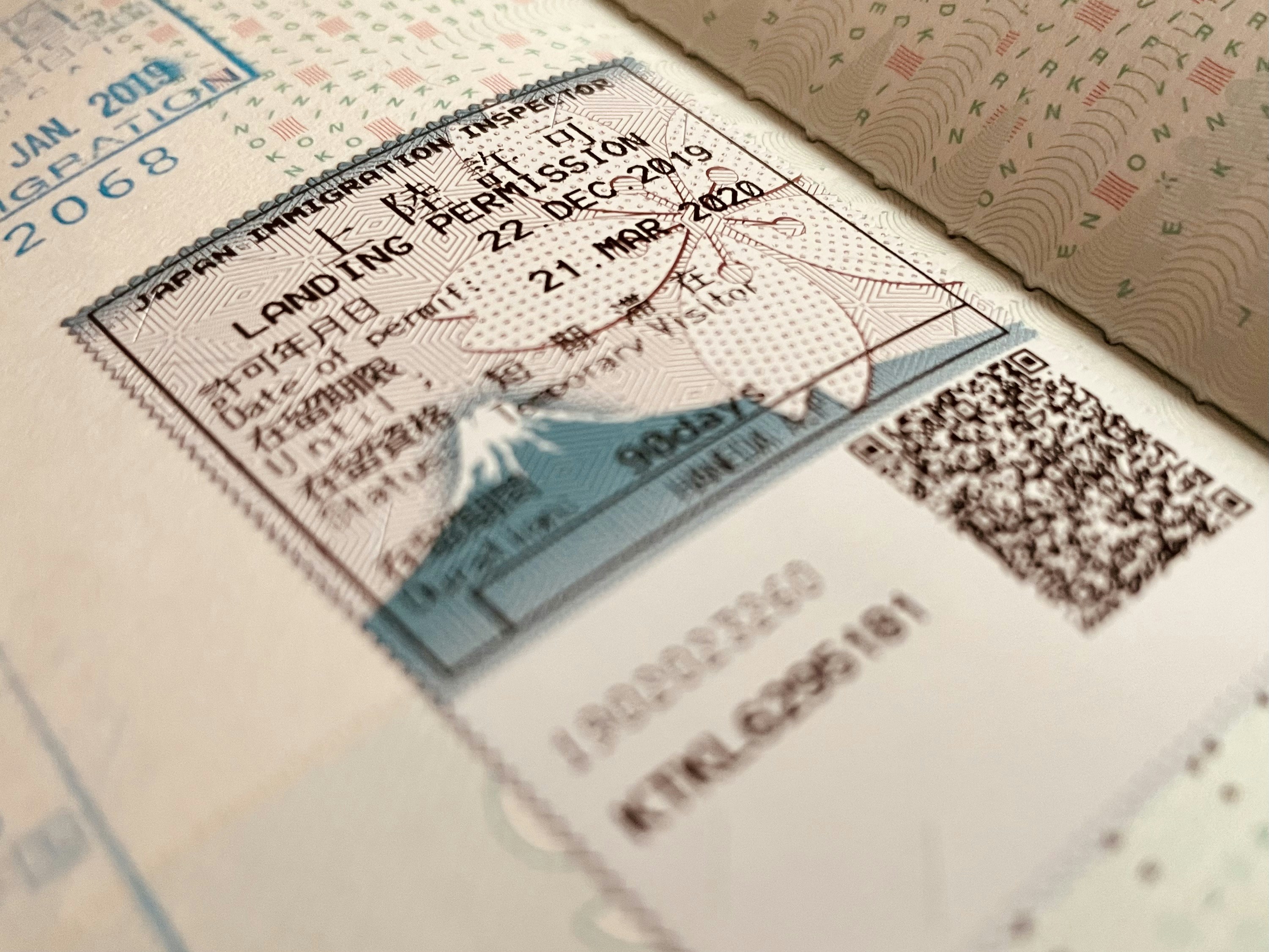

Understanding Your Work Permit
Upon receiving your work permit approval, it is imperative to develop a comprehensive understanding of the document’s terms and conditions. A work permit is not merely a formality; it is a legal authorization that outlines specific rights and responsibilities while working in a foreign country. Understanding these stipulations is crucial as they govern the duration of your employment, the type of occupation you are permitted to engage in, and any limitations related to your status.
The duration of your work permit typically indicates how long you are authorized to work in that country. This can vary based on the specific type of permit and the country’s immigration policies, often ranging from a few months to several years. It is important to monitor the expiration date of your visa, as overstaying can lead to severe consequences, including penalties or being barred from re-entry.
In addition to the duration, the work permit may contain restrictions on the types of jobs you can undertake or the employers you can work for. For example, some permits may limit you to employment within a specific field or require sponsorship from an employer. It is also essential to be aware of any conditions that may require you to maintain a particular status, such as compliance with local laws or restrictions on travel outside the country.
Observing these terms and conditions is crucial not only for your legal standing but also for your overall work experience. Failure to adhere to the requirements set forth in your work permit can lead to immediate revocation of your permit and potential legal ramifications. Therefore, taking the time to read and understand every aspect of your work permit is a fundamental step towards ensuring a successful and compliant work experience abroad.
Prepare for Relocation
Once you have received your work permit approval, the next significant step involves preparing for your relocation to the destination country. This process is critical as it lays the foundation for your new life abroad, ensuring a smooth transition both personally and professionally.
The first step in preparing for your relocation is to thoroughly research your destination country. Familiarize yourself with its culture, customs, and local laws. Understanding the nuances of life in a new country will help you integrate more seamlessly into the community and avoid potential cultural faux pas. Consider the social norms surrounding greetings, dining etiquette, and personal interactions, as these can vary greatly from one culture to another.
Finding suitable accommodation is another essential part of your relocation preparation. Start by determining your budget and the type of living situation that would best suit your needs—be it renting an apartment, sharing a flat, or even temporary housing until you get settled. Utilize online platforms and local real estate agencies to explore available properties. It may also be prudent to reach out to individuals who have already made similar moves for recommendations on neighborhoods and living conditions.
Additionally, consider the logistical aspects of moving, including transportation and shipping your belongings. Research the import regulations of the destination country, as there may be restrictions on certain items. Planning the move carefully will minimize stress and help ensure that you arrive with everything necessary to set up your new life.
By taking these preparations seriously, you can enhance your experience in the new country, allowing for a smoother adaptation process and a successful start in your new role.
Organizing Your Finances
Once you have received your work permit approval, organizing your finances becomes a crucial step in preparing for your move. An essential first action is setting up a local bank account in your new country. This will facilitate easier transactions, allowing you to receive your salary, pay bills, and handle daily expenses conveniently. Research various banks to find one that offers favorable terms for expats, such as low fees and ease of access to ATMs.
Understanding the local currency is also vital. Familiarize yourself with the currency denominations, exchange rates, and any additional fees that may apply when exchanging money. In some cases, it may be beneficial to exchange a portion of your home currency before leaving, but ensure you keep track of the rates to make informed decisions.
Budgeting for your initial expenses is another critical aspect. As you transition into a new environment, you will likely encounter various costs, including housing deposits, utility setup fees, and day-to-day expenses. Create a detailed budget that covers immediate needs, like accommodation and transportation, as well as ongoing expenses such as groceries and healthcare. Remember to account for unforeseen costs that may arise.
Moreover, consider creating an emergency fund to cover unexpected expenses or a temporary loss of income. This financial buffer can provide peace of mind and help alleviate stress as you settle into your new surroundings.
In addition to personal finance management, staying informed about local taxation is important. Research any tax implications of earning income in the new country, and consult financial experts if necessary. Managing your finances effectively during this transition can significantly ease your adjustment and establish a stable foundation as you begin your new chapter abroad.
Gathering Required Documentation
After receiving approval for your work permit, it is essential to gather all required documentation, as it plays a pivotal role in your employment process. The first and foremost document to have is your work permit itself. This official approval indicates that you are authorized to work within your host country legally.
Additionally, you should prepare a valid form of identification. This might include a passport or a national ID card, depending on the regulations of the work location. The identification confirms your identity and supports the information provided in your work permit application.
Another crucial aspect is obtaining medical records, particularly if they are necessary as per local regulations. In some cases, proof of a health examination or vaccination records may be a requirement for employment or residence documentation. Be sure to acquire these documents from a certified medical professional to ensure that they are valid and accepted by employers or governmental agencies.
Furthermore, it is important to gather professional credentials relevant to your field. This may encompass degrees, diplomas, professional licenses, or certifications that corroborate your qualifications. Employers may request these documents during the hiring process to confirm your skills and experience.
The compilation of these documents serves as a proactive approach to border control, hiring processes, and future applications for residency or other permits. Be sure to keep these documents organized and easily accessible, as you may need to present them to employers or immigration officials. Having your documentation in order facilitates a smoother transition into your new role and assures compliance with local regulations and employment laws.
Navigating the Legal Landscape
Securing a work permit is a significant milestone for any professional seeking employment in a foreign country. As a newly approved work permit holder, it is essential to understand your legal rights and responsibilities to ensure a smooth transition into the local workforce. Knowing the rules surrounding your work permit is vital for maintaining compliance with both local labor laws and work regulations.
First and foremost, it is important to familiarize yourself with the specific conditions attached to your work permit. Different jurisdictions impose varying restrictions, which may include the type of employment you can pursue, the duration of your stay, and any limitations on work activities. Noncompliance with these conditions can lead to severe consequences, including potential deportation or bans from reapplying for work permits in the future.
Furthermore, understanding your rights as a foreign employee is crucial. This includes the right to receive fair wages, safe working conditions, and protection from discrimination. It is advisable to research local labor laws that govern workplace practices. These laws vary greatly between countries and may offer varying rights and protections to employees.
Additionally, engaging with local labor organizations or legal entities specializing in employment can provide valuable insight and support. They can assist you in better understanding your rights and responsibilities as well as advocate on your behalf should any disputes arise with your employer.
In conclusion, navigating the legal landscape as a work permit holder requires diligence and awareness. By educating yourself about your rights and responsibilities, you can create a foundation for a successful and legally compliant work experience, while also respecting the legal frameworks of the host country.
Cultural Adaptation and Integration
After receiving approval for a work permit, the next crucial phase involves cultural adaptation and integration into both the workplace and the local community. Moving to a new country can present unexpected challenges, commonly referred to as culture shock. This phenomenon occurs when individuals encounter unfamiliar customs, language barriers, and social norms. To mitigate the effects of culture shock, it is beneficial to immerse oneself in the local culture as much as possible. This can include attending community events, exploring local cuisine, or participating in cultural festivals.
Establishing social connections is paramount for a successful adaptation process. Engaging with colleagues at work can facilitate an understanding of workplace dynamics and cultural expectations. Consider joining workplace groups or clubs that align with your interests to foster relationships with coworkers outside of formal settings. Additionally, utilizing digital platforms such as social media to connect with local communities can provide opportunities to meet individuals who share similar experiences or interests.
Furthermore, language acquisition plays a significant role in easing the transition into a new environment. If the primary language differs from your own, enrolling in language courses can enhance communication skills, making it easier to forge connections and understand subtle cultural cues. Organizations often offer resources or subsidies for language learning, which can greatly assist in this endeavor.
Finally, patience and open-mindedness are key attributes during this adjustment period. Cultural adaptation does not happen overnight; it takes time to develop a sense of belonging. By embracing new experiences and remaining receptive to diverse social interactions, one can successfully navigate the complexities of integrating into a new culture, ultimately leading to a more enriching and fulfilling work experience.
Finding Your Employer and Job Role
After obtaining your work permit, one of the critical steps is successfully navigating the job landscape to find the right employer and job role. Familiarizing yourself with your new employer begins with research. Explore the company’s official website to understand its mission, vision, and values. This information gives you insight into the organization’s culture, which forms the backbone of daily operations and employee interactions.
It is equally important to delve into the firm’s social media presence. Platforms like LinkedIn, Twitter, and Facebook are invaluable for gaining a real-time perspective of the company’s activities and initiatives. Pay attention to employee testimonials and reviews available on professional sites such as Glassdoor. These resources will help you gauge the workplace atmosphere and identify whether it aligns with your expectations and career goals.
Understanding your job role within the context of the company is crucial. Review the job description carefully to identify key responsibilities and required skills. Familiarize yourself with any specific industry terminology and best practices that may be relevant to your position. If possible, connect with your future colleagues or supervisors to gain further insights into daily tasks and team expectations. This dialogue can clarify your role and help establish rapport even before your official start date.
Also, consider seeking out professional development opportunities offered by the company. Many organizations have onboarding programs or training sessions designed to help new hires acclimatize to their roles and enhance their understanding of the company’s operations. Participation in these programs will not only bolster your knowledge but will also demonstrate your commitment to your new employer.
Health Insurance and Healthcare Access
Securing health insurance is an essential step after receiving work permit approval, as it ensures that you have access to necessary medical services in the host country. Health insurance varies significantly from one nation to another, both in terms of requirements and available policies. Therefore, it is paramount to familiarize yourself with local health insurance regulations and options to make an informed decision.
In many countries, health insurance is mandatory for foreign workers, and some employers might offer insurance as part of their employment package. It is advisable to review the coverage options provided by your employer, understanding what medical services are included, such as routine check-ups, emergency care, and specialist consultations. If your employer does not provide health insurance, or if the coverage does not meet your needs, consider exploring private health insurance plans. Look for options that cater to expatriates, as they are often tailored to include services relevant to foreign residents.
Once you secure health insurance, familiarizing yourself with local healthcare access is crucial. Research the healthcare infrastructure of the area where you will reside. This encompasses identifying nearby hospitals, clinics, and pharmacies. Understanding the procedure for visiting healthcare providers is also essential; in some countries, you may need to schedule appointments in advance, while others may offer walk-in services.
Additionally, when seeking medical care, keep your health insurance card and any necessary documentation readily available. This will streamline the process and ensure you receive the necessary assistance promptly. In summary, obtaining comprehensive health insurance and understanding how to access healthcare services are fundamental aspects of settling in a new country after your work permit approval. Prioritizing these factors will contribute significantly to your overall wellbeing and facilitate a smooth transition into your new environment.
Planning for the Future
Once your work permit is granted, it marks a significant milestone in your career journey. However, it is equally important to consider long-term plans that align with your professional goals and personal aspirations. A work permit may be temporary, which leads to the question of what your next steps will be.
For many individuals, extending a work permit is a viable option if you plan to continue gaining work experience in the same country. It is essential to understand the requirements and timelines involved in this process. Being proactive can ensure that you are prepared when the time comes to renew your work permit. This may involve maintaining your employment status and ensuring all necessary documentation is in order.
Another avenue worth exploring is the possibility of applying for permanent residency. Many countries have provisions for individuals who hold valid work permits to transition into permanent residents. Researching the criteria for permanent residency in your host country can be beneficial. Generally, factors such as duration of employment, skills, and contributions to the economy play a crucial role in this process.
Additionally, assessing potential career moves is critical as you think about the future. Whether it means exploring new job opportunities, furthering your education, or changing industries altogether, having a clear vision of where you want to see yourself is vital. It can help you to prepare accordingly and strategically position yourself for the next stage of your career.
By planning ahead, you can effectively navigate the complexities of transitioning from a work permit holder to a permanent resident or moving within your professional field. With thoughtful consideration and planning, you can create a roadmap that aligns with your aspirations and secures your future in your chosen country.